


Complete Climb
Complete Climb
Stop Letting Your Fingers Decide When The Session Ends
...
.........
Couldn't load pickup availability
How does it work?
How does it work?
Nearly 6 in 10 sport climbers under-fuel their training. Our Product provides daily nutrient support for grip and tendon strength, recovery, energy and consistent climbing performance.
Who is Climb Foundation for?
Who is Climb Foundation for?
It’s made for climbers who want Stronger grip, Healthier tendons, Fast recovery, Consistent results, and keep progressing. Suitable for indoor and outdoor climbers.
What results can I expect?
What results can I expect?
It’s a daily foundation, with consistent use you can expect stronger sessions, faster recovery, and progression.
Collagen Peptides
$35.99
$51.25
Default Title
$35.99
$51.25
Creatine + Essentials
$32.99
Default Title
$32.99
Energy Strips
$29.99
Default Title
$29.99




Why We Built Complete Climb
The Problem We Set Out to Solve
We noticed there wasn’t really a supplement built around the demands of climbing. A 2024 study of climbers found that many climbers were falling short across several key vitamins and minerals. While some climbers take Collagen powders and single-ingredient pills those only chase one outcome. Neither of those gives the full nutrients that climbers need that are the everyday nutrients your body relies on. So that’s what we built first.
What Sets Complete Climb Apart?
- Most climbing supplements chase one outcome.
- Your body doesn't work one nutrient at a time—it relies on dozens of vitamins and minerals working together every day.
- Hard climbing increases your nutritional demands, yet many climbers fall short on several key micronutrients.
- Complete Climb was built to support the nutritional foundation underneath grip, recovery, energy, and long-term climbing performance.

Ingredients & Benefits
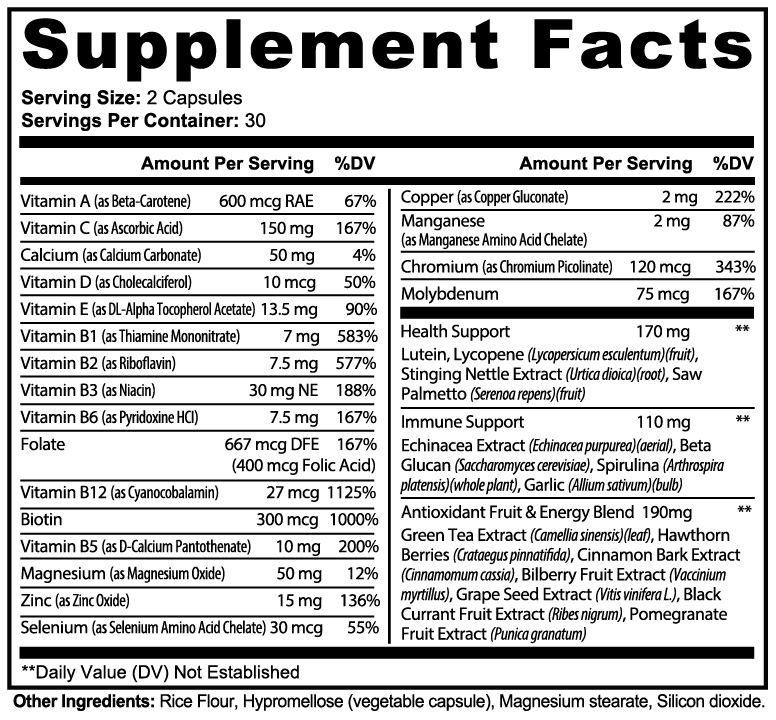
Every ingredient targets a specific part of a Climbers nutrition While it gives you all benefits below in 1 formula.
Grip & Tendon Support
Vitamin C • Zinc • Copper • Manganese
These nutrients help support normal collagen formation and connective tissue, helping build the nutritional foundation behind your fingers
Muscle Function
Vitamin D • Magnesium • Calcium
Supports normal muscle function and contraction, helping provide the nutritional foundation behind controlled, powerful movement on the wall.
Energy Production
Vitamins B1, B2, B3, B5, B6 and B12 • Biotin
B vitamins help your body convert food into usable energy to support hard sessions and consistent training.
Recovery Support
Vitamin C • Vitamin E • Magnesium • Zinc • Selenium
Supports normal recovery processes and helps protect cells from oxidative stress created by demanding physical activity.
Performance Foundation
Folate • Vitamin B12 • Chromium • Molybdenum • Essential Vitamins & Minerals
Helps fill everyday micronutrient gaps that climbers miss so your body has the foundation to support consistent climbing, recovery, and performance.
What to expect.
progress takes consistency. Here’s a realistic timeline.
-
Month 1
Building Your Foundation
Your body begins replenishing the vitamins and minerals it relies on every day. While you probably won't notice dramatic changes yet, you're building the nutritional foundation that supports energy, recovery, and consistent training.
-
Month 2
Early signals
With consistent use, many climbers begin noticing subtle improvements in how they feel between sessions. Recovery may feel smoother, and staying consistent with training becomes easier.
-
Month 3
Consistent Performance
By now you've had time to build a daily routine. Many climbers report feeling more prepared for back-to-back sessions, with better recovery, greater confidence to keep progressing and better results.
-
Months 4–6+
Compounding returns
The longer you consistently support your nutrition, the more your foundation can support your climbing goals. Combined with training, quality sleep, and proper recovery, Climb Foundation is designed to help you climb consistently for the long run.
Have Questions?
We Have Answers.
"Why do climbers need this?"
Consistent climbing places higher demands on your nutrition. Climb Foundation helps provide daily micronutrients that support energy, recovery, muscle function, grip, and overall climbing performance. So it is definitely worth it.
"Can I take it with my other supplements?"
It may still fit alongside products such as protein, creatine, or collagen, but check for overlapping vitamins and minerals. Speak with a healthcare professional if you take medication, have a medical condition, or are unsure.
“$39/month is a lot for a supplement.”
It’s less than half your gym membership. Less than one PT visit. And significantly less than the cost of a finger injury — in dollars, in time off the wall, and in lost progress.
“How long before I notice anything?”
Honestly? Most climbers report noticeable differences after 6–12 weeks. This is a long-term nutritional investment,
"Is this meant to replace proper nutrition or recovery?"
No. Climb Foundation is designed to complement a balanced diet, smart training, quality sleep, and proper recovery not replace them.
“Why capsules instead of powder?”
Compliance. Powder supplements require mixing, taste management, and timing protocols. A capsule you take with breakfast and forget about takes five seconds and happens every day. The best supplement is the one you actually take.